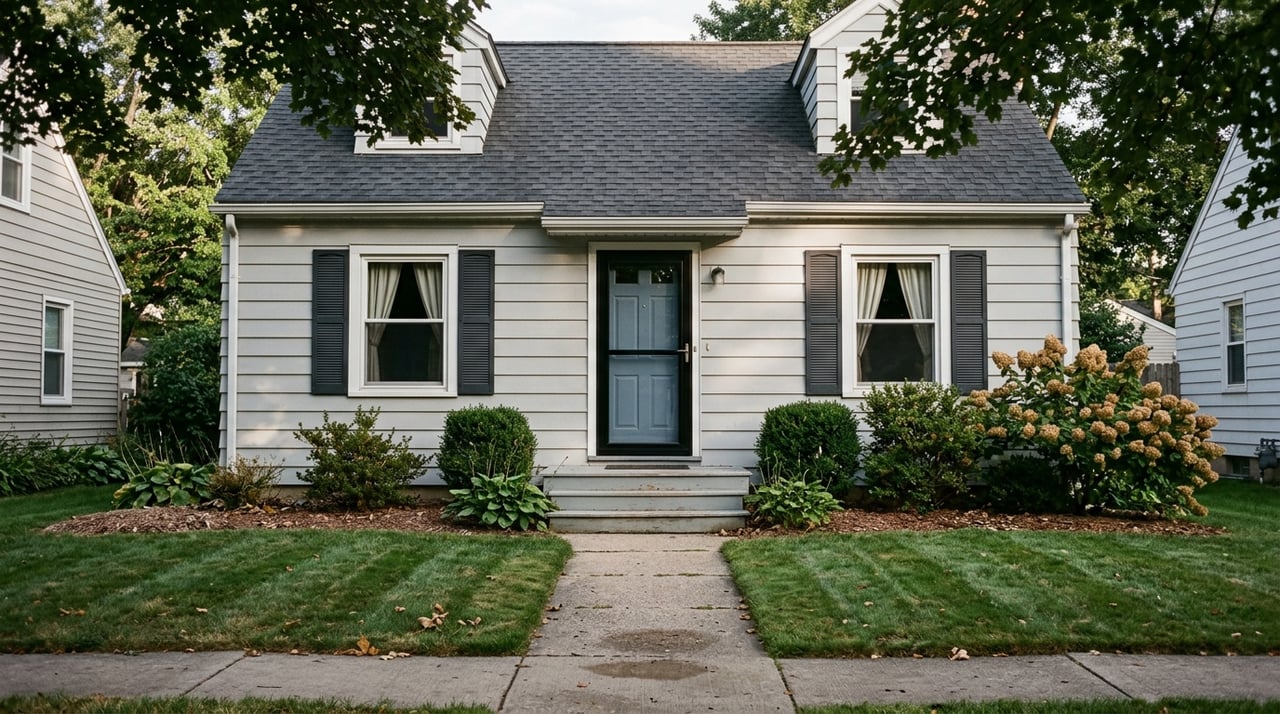
Wondering whether a starter home in Manchester, CT is a smart first move? You are not alone. Many buyers want a lower entry price, but they also worry about repairs, taxes, and whether an older home will fit their lifestyle. The good news is that Manchester offers a wide mix of housing options, and once you understand the tradeoffs, you can make a more confident choice. Let’s dive in.
What a starter home means in Manchester
In Manchester, a starter home is not a formal label. It usually means a home at the lower end of the local market that gives you a path into ownership without stretching to the highest price points in the area.
That can include a smaller single-family house, a townhome-style property, a condo, or even a 2-4 unit property. Manchester has a broad housing mix, with single-family detached homes making up 47% of the housing stock, followed by 2-4 unit buildings at 16%, 5-19 unit structures at 15%, and 1-unit attached homes at 9%.
For you as a buyer, that variety matters. It means you may have more ways to get into the market than you would in towns where the choices lean more heavily toward larger detached homes.
Why buyers look at Manchester first
Manchester often appeals to first-time buyers because it can offer a lower purchase price than several nearby towns. Zillow’s current home value index places Manchester at $333,018 as of May 31, 2026.
That is below South Windsor at $448,566, Bolton at $452,796, and Glastonbury at $572,682. It is also slightly below Vernon at $350,175. If your goal is to buy sooner, keep your budget more manageable, or preserve cash for updates, Manchester may deserve a close look.
Manchester also has a large existing housing base. The town’s 2026 profile shows 26,724 housing units, and Census QuickFacts puts the owner-occupied housing rate at 56.9%.
Older homes are part of the deal
Here is the biggest reality check for buyers: Manchester is an older housing market. More than 77% of owner-occupied housing and 64% of rental housing was built before 1980.
That does not mean every home will need major work right away. It does mean you should expect age-related issues to come up more often than they would in a newer housing market.
The town notes that older housing stock is more likely to be costly to maintain, less accessible, less energy efficient, and more likely to contain hazards such as asbestos or lead-based paint. If you are shopping in Manchester, it is wise to look beyond the list price and think about the total cost of ownership.
What hidden costs should you expect?
Older starter homes can come with charm, mature lots, and established streetscapes. They can also come with repair needs that are easy to miss during a quick showing.
Manchester’s own housing programs highlight common problem areas such as walls and ceilings, stairs and porches, paint, windows and doors, plumbing, electrical, heating, carbon monoxide and smoke detectors, boilers, furnaces, water heaters, and sewer laterals. That is a useful reminder that your home inspection matters, and so does your repair reserve.
A practical way to prepare is to budget for more than your down payment and closing costs. You may also want funds set aside for near-term fixes, maintenance, and efficiency upgrades.
Character versus turnkey condition
In Manchester, many entry-level buyers are choosing between character, space, and update needs rather than brand-new construction. The older core neighborhoods on the East and West Side include a mix of single-family homes, duplexes, and former industrial buildings converted to apartments.
That means your search may involve tradeoffs. One home may offer more square footage but need mechanical updates. Another may be smaller but require less immediate work. A condo or attached home may simplify exterior maintenance but bring a different ownership structure and monthly costs.
If you want a home that is completely turnkey, Manchester may feel limiting in your price range. If you are open to cosmetic updates, staged improvements, or an older property with solid basics, you may find more opportunity here.
Manchester taxes matter too
Purchase price is only part of the monthly picture. Property taxes are a major factor in Connecticut, so it helps to run the numbers early.
In Connecticut, real estate taxes are generally based on 70% of market value, multiplied by the mill rate per $1,000 of assessed value. Manchester’s current general-fund mill rate is 39.82.
Using Manchester’s current home value index of $333,018, the approximate annual property tax works out to about $9,283 per year before exemptions. That is an important cost to include when you compare monthly payments across towns.
How Manchester compares to nearby towns
Manchester usually offers a lower typical home value than several nearby towns, but that does not always mean the lowest annual tax bill. Here is a simple side-by-side view using each town’s typical home value and current mill rate data from the research report.
| Town | Typical Home Value | Approx. Annual Tax |
|---|---|---|
| Manchester | $333,018 | $9,283 |
| Vernon | $350,175 | $8,900 |
| South Windsor | $448,566 | $11,181 |
| Bolton | $452,796 | $10,767 |
| Glastonbury | $572,682 | $13,522 |
For many buyers, the tradeoff is straightforward. Manchester may offer a lower entry price and more housing-type variety, while some nearby towns come with higher typical prices.
Who Manchester starter homes fit best
Manchester can be a strong fit if you want options. The housing mix gives you more than one path to ownership, which can be helpful if you are flexible about property type.
It may work especially well if you:
- want a lower purchase price than some nearby towns
- are open to an older home
- can budget for inspections and likely maintenance
- value having choices beyond just detached single-family homes
- are comfortable making updates over time
This market can also make sense if you are thinking long term. Buying a home that needs manageable improvements can be a way to build equity while getting into the market sooner.
Who may want to look elsewhere
Manchester may be a weaker fit if your top priority is a newer or fully updated home. It may also be less ideal if you do not want to deal with repairs in the first few years of ownership.
You may want to think carefully if you:
- expect turnkey condition at an entry-level price
- have a tight monthly budget with little room for repairs
- prefer newer systems and better energy efficiency from day one
- do not want the risk that can come with older housing materials or aging mechanicals
That does not mean Manchester is off the table. It just means you should be honest about your comfort level with age, upkeep, and project planning.
How to decide if it is right for you
The best starter home is not always the cheapest one. It is the one that fits your budget, your time horizon, and your tolerance for maintenance.
As you compare homes in Manchester, ask yourself a few simple questions:
- Do you want the lowest possible entry price, or fewer repair risks?
- Are you open to condos, attached homes, or 2-4 unit properties?
- How much cash will you have left after closing?
- Would you rather update slowly over time, or pay more upfront for fewer projects?
When you answer those questions honestly, your path usually gets clearer. For some buyers, Manchester is the right balance of affordability and opportunity. For others, paying more in a nearby town may feel worth it for a different housing profile.
The bottom line on Manchester starter homes
Manchester can be a good starter-home market if you are comfortable trading newer construction for a lower entry price and more housing options. It is less likely to be the right fit if you want a home that feels fully finished and low-maintenance from day one.
The key is going in with realistic expectations. If you understand the age of the housing stock, budget carefully for taxes and repairs, and stay flexible about property type, Manchester may offer a practical path into homeownership.
If you want clear, local guidance as you compare Manchester with nearby towns, Cindy Muska can help you weigh the numbers, the condition, and the tradeoffs so you can make a confident move.
FAQs
Are starter homes in Manchester, CT usually older properties?
- Yes. Manchester is an older housing market, with more than 77% of owner-occupied housing built before 1980.
What types of starter homes can buyers find in Manchester, CT?
- Buyers may find smaller single-family homes, attached homes, condos, townhome-style units, and 2-4 unit properties.
Are Manchester, CT home prices lower than nearby towns?
- Based on the research report, Manchester’s current home value index is below South Windsor, Bolton, and Glastonbury, and slightly below Vernon.
What should buyers budget for when purchasing a Manchester, CT starter home?
- In addition to down payment and closing costs, buyers should budget for inspections, property taxes, and possible near-term repairs or system updates.
How much are property taxes on a typical home in Manchester, CT?
- Using the current home value index of $333,018 and Manchester’s mill rate of 39.82, the approximate annual property tax is about $9,283 before exemptions.
Is Manchester, CT a good place for first-time buyers who want turnkey homes?
- It can be a tougher fit for buyers who want turnkey condition, since many entry-level options are older homes that may need updates or repairs.