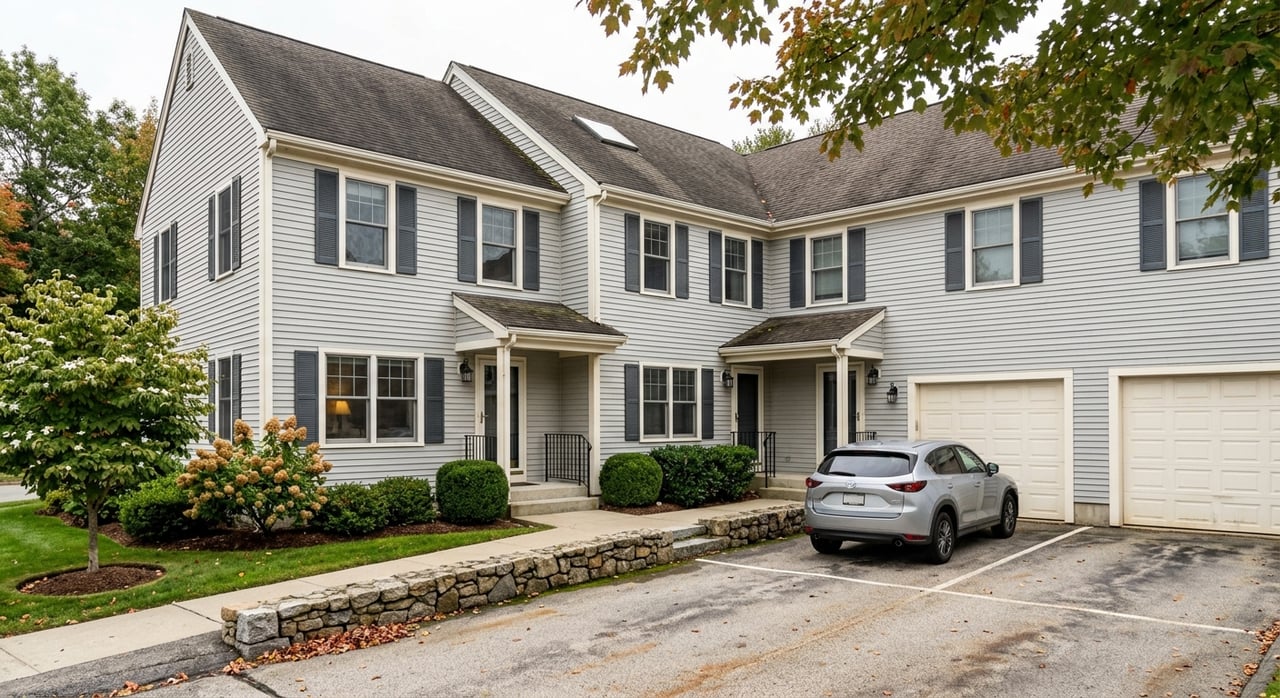
If you want a home with less exterior upkeep but still want to stay close to shopping, dining, and everyday conveniences, condo and townhome living in West Hartford may be worth a closer look. For many buyers, this style of home can be a smart fit, especially if you are buying for the first time, simplifying your lifestyle, or just want a more manageable day-to-day routine. The key is understanding how West Hartford’s condo communities differ in location, fees, parking, and responsibilities before you buy. Let’s dive in.
Where condos and townhomes are located
In West Hartford, condo and townhome options are often found near the town’s busiest mixed-use and shopping areas. Based on local town information and current market examples, buyers will commonly see these homes around West Hartford Center and Blue Back Square, Bishops Corner, Park Road, Elmwood Center, and the New Park Avenue area.
That pattern makes sense when you look at how the town is planned. West Hartford’s transit-oriented development work focuses on areas within one-quarter mile of the Elmwood and Flatbush Avenue CTfastrak stations. As a result, higher-density housing is more common in Elmwood and nearby corridors.
West Hartford Center and Blue Back Square
If you want to be near restaurants, shops, and entertainment, this area often stands out. The town describes Blue Back Square and West Hartford Center as a shopping, living, dining, and entertainment destination, which helps explain why condos here appeal to buyers looking for convenience and a more walkable routine.
Current examples in this area include homes like The Heritage at 85 Memorial Road and a condo at 1010 Trout Brook Drive. Listings in these locations highlight features such as reserved parking or garage access, which can be especially important in a busy central district.
Bishops Corner, Park Road, and Elmwood
Other popular areas include Bishops Corner, Park Road, and Elmwood. These neighborhoods and business districts can offer a similar low-maintenance lifestyle while placing you near shopping, services, public transportation, and other daily needs.
Examples from recent listings include 1 King Philip Drive near Bishops Corner, Quaker Green in Elmwood, and a townhome on Ringgold Street near Park Road. Each community has its own setup, so location alone does not tell the whole story. The building style, parking arrangement, monthly charges, and association rules can vary a lot from one property to the next.
Condo or townhome? Know the ownership type
One detail that can confuse buyers is that some attached homes are marketed with both terms. A listing may call a property a condo, townhouse, or townhome, but those words do not always mean the same thing from an ownership standpoint.
In West Hartford, some listings are labeled both condo and townhouse or townhome. That is why it is important to read the condo documents carefully and confirm exactly what you are buying. The layout may feel like a townhouse, but the legal structure may still be condominium ownership with an association handling certain common areas.
HOA fees can vary more than you think
One of the biggest questions buyers ask is simple: what will the monthly fee be? In the West Hartford examples reviewed during research, HOA fees ranged from about the high $200s to the high $700s per month.
That range is wide for a reason. Different associations cover different costs, and two homes with very different monthly charges may not be directly comparable.
What fees may cover
Depending on the building or community, monthly fees may include:
- Heat and hot water
- Cooling
- Grounds maintenance
- Property management
- Snow removal
- Trash removal
- Water and sewer
- Road maintenance
- Pool or fitness amenities
- Elevator service
- Security or front desk service
- Parking or garage access
A lower fee is not automatically the better deal. In some communities, a higher monthly charge may already include utilities or services that you would otherwise pay for separately.
Why fee comparisons need context
For example, research examples include fees of about $300 at 1010 Trout Brook Drive, about $420 and $561 in Quaker Green, about $630 at 887 Farmington Avenue, about $695 at Somerset, and about $780 at The Heritage. Those numbers are useful as a snapshot, but they only matter when you match them to what the association actually covers.
If you are comparing two homes, ask for the full picture. A condo with a higher fee but bundled utilities, garage parking, and more services may fit your budget better than a lower-fee option with more out-of-pocket monthly costs.
Maintenance is lighter, not maintenance-free
Many buyers are drawn to condos and townhomes because they want less upkeep than a single-family home. That benefit is real, but it is important to understand what “low maintenance” actually means.
Under Connecticut law, the association generally handles maintenance, repair, and replacement of common elements, while the unit owner is responsible for the unit itself unless the declaration says otherwise. The law also recognizes that porches, decks, balconies, garages, and patios may be limited common elements, which can be especially relevant in townhome-style communities.
What this means for you
In practical terms, you may not have to handle as much exterior work yourself, but you are still taking on responsibilities. Instead of managing every part of a property directly, you are sharing responsibility through association dues, rules, and governance.
That shift can be a great fit if you want a simpler routine. It just means your due diligence moves beyond the walls of the unit and into the financial and operating health of the association.
What to review before you buy
Connecticut consumer guidance recommends careful review of condo documents before closing. This step matters whether you are buying your first condo or downsizing into a community with amenities and shared expenses.
Before you move forward, review the association’s:
- Bylaws
- Declaration
- Rules and regulations
- Recent budget
- Recent meeting minutes
The resale disclosure package should also include useful financial details such as monthly common charges, unpaid charges, reserve amounts, approved capital expenditures, the number of delinquent owners, and pending foreclosure actions.
Smart questions to ask
As you compare communities in West Hartford, consider asking:
- Are there age restrictions?
- What are the pet rules?
- Are there leasing limits?
- How is parking assigned?
- Are storage units included?
- What exactly do the fees cover?
- How strong are the reserves?
- Are any special assessments planned?
- What is the recent budget trend?
These questions can help you avoid surprises and choose a community that fits your daily life and long-term plans.
Parking matters more in West Hartford than many buyers expect
Parking can have a major effect on your experience, especially if you are looking near West Hartford Center or Blue Back Square. The town reports more than 5,000 parking spots in that district, including curbside spaces, municipal lots, garages, and private lots or garages.
That sounds plentiful, but condo buyers still need to pay close attention to the specific parking setup tied to a unit. Overnight street parking is not permitted between 2:00 a.m. and 5:00 a.m. unless an exception or omit tag applies.
Why assigned parking matters
This rule can make deeded, assigned, garage, or validated parking much more valuable, especially if your household has more than one vehicle or you expect overnight guests. Current listings show a mix of parking arrangements, including attached garage spaces, reserved spaces, and second-car parking passes.
When you tour a condo or townhome, ask exactly how parking works. Do not assume that a central location means easy overnight parking, and do not assume a second vehicle will be simple to accommodate.
Transit and convenience are part of the appeal
For many buyers, condo and townhome living in West Hartford is not just about the home itself. It is also about reducing commuting stress and putting daily errands, transit, and services closer to where you live.
West Hartford says public bus service is provided through the CTtransit Hartford Division and CTfastrak. The town’s development focus around the Elmwood and Flatbush Avenue stations also helps support housing options tied to transit access.
West Hartford has also received Bronze-level Bicycle Friendly Community recognition and has an updated bicycle plan. If you value alternatives to driving for some trips, that can add to the convenience factor in certain parts of town.
Who this lifestyle often fits best
Condo and townhome living can work well for several types of buyers in West Hartford. First-time buyers may appreciate an entry point that offers less exterior upkeep and proximity to amenities. Downsizers may like the easier routine and the ability to stay close to shopping, dining, and services.
The town’s Age-Friendly Communities Initiative and Senior Housing Plan also show that housing, transportation, walkability, and aging-in-place needs are part of West Hartford’s planning conversation. While that does not create special condo rules, it does reflect local attention to the needs of residents looking for practical, manageable housing options.
A good fit if you value simplicity
You may want to focus on condos or townhomes if you are looking for:
- Less exterior maintenance
- Access to shopping and dining districts
- Easier snow and grounds care
- Shared amenities in some communities
- A more manageable home size
- Better alignment with a lock-and-leave lifestyle
The best fit usually comes down to your priorities. Some buyers care most about walkability. Others care more about parking, monthly costs, or a one-floor layout. West Hartford offers a mix, but each community needs to be evaluated on its own terms.
The bottom line on West Hartford condo living
Condo and townhome living in West Hartford can offer a practical blend of convenience, location, and lower exterior upkeep. You can often live close to the town’s established shopping and dining districts while trading some single-family maintenance tasks for shared association management.
At the same time, not all communities work the same way. Fees, parking, ownership structure, and maintenance responsibilities can differ more than buyers expect. If you take time to review the documents, compare true monthly costs, and ask the right questions, you can make a much more confident decision.
If you are thinking about buying or selling a condo or townhome in West Hartford, working with an experienced local agent can make the process much smoother. Cindy Muska offers practical, hands-on guidance to help you evaluate communities, understand the details, and move forward with confidence.
FAQs
What areas in West Hartford have the most condos and townhomes?
- Condo and townhome inventory is commonly found near West Hartford Center, Blue Back Square, Bishops Corner, Park Road, Elmwood Center, and the New Park Avenue area.
What do condo HOA fees usually cover in West Hartford?
- HOA fees may cover items such as grounds maintenance, snow removal, trash, water and sewer, heat, hot water, cooling, parking, property management, and amenities, but coverage varies widely by association.
What is the typical HOA fee range for West Hartford condos?
- In the research examples reviewed, monthly HOA fees ranged from about the high $200s to the high $700s, depending on the building and included services.
Who handles maintenance in a West Hartford condo or townhome?
- In general, the association handles common elements, while the owner is responsible for the unit itself unless the declaration states otherwise.
Why is parking important when buying a condo in West Hartford?
- Parking matters because overnight street parking is not permitted between 2:00 a.m. and 5:00 a.m. without an exception, so assigned, deeded, or garage parking can be especially valuable.
What documents should you review before buying a condo in Connecticut?
- You should review the bylaws, declaration, rules, recent budget, meeting minutes, and the resale disclosure package to understand fees, reserves, and the association’s financial condition.