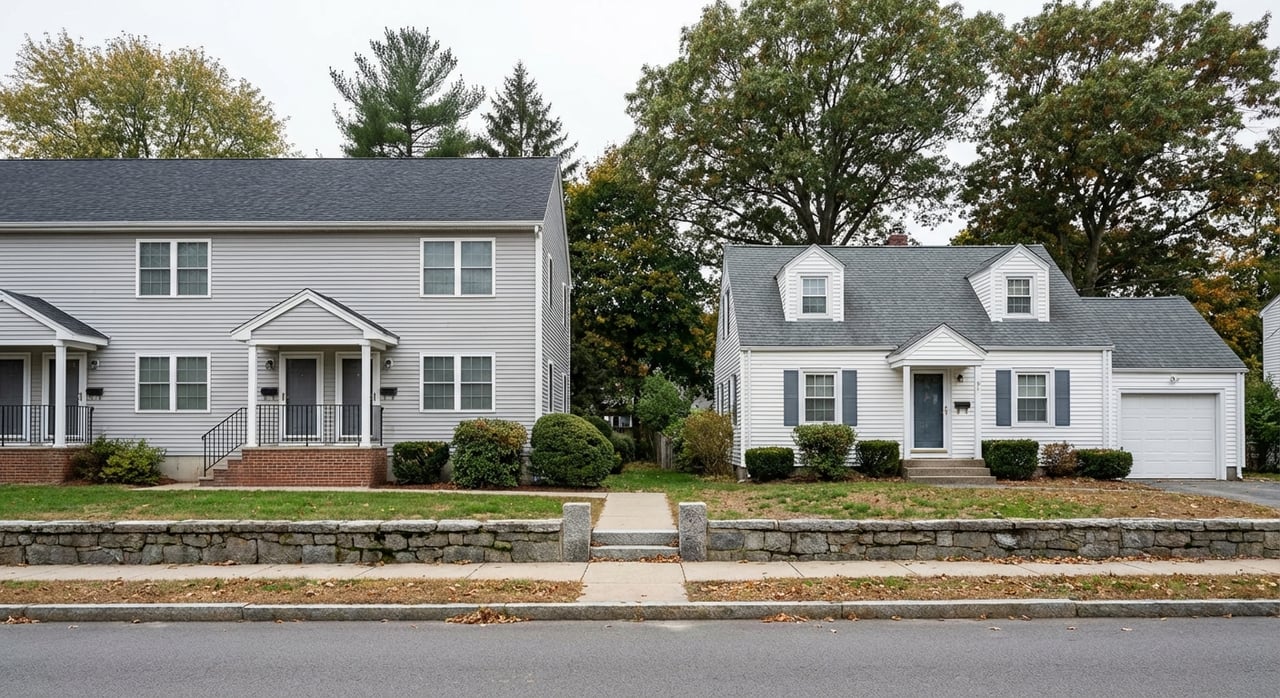
Choosing between a condo and a single-family home in Vernon can change your monthly budget and your weekends. You might be picturing a low-maintenance condo near Rockville’s historic district or extra yard space on a quiet street with easy I-84 access. Either way, the right choice comes down to total cost, responsibilities, financing, and how long you plan to stay. This guide breaks down local price ranges, HOA fees, taxes, insurance, financing, and resale so you can decide with confidence. Let’s dive in.
Vernon market at a glance
Recent market reports show Vernon’s overall median home price around $320,000 as of mid to late 2025. Days on market often land in the mid 20s to low 40s, with well-prepared listings moving faster. Location and amenities matter for demand, including proximity to Valley Falls Park and the Rockville Historic District. Vernon’s commuter access to Hartford via I-84 also supports buyer interest.
Price ranges: condo vs single-family
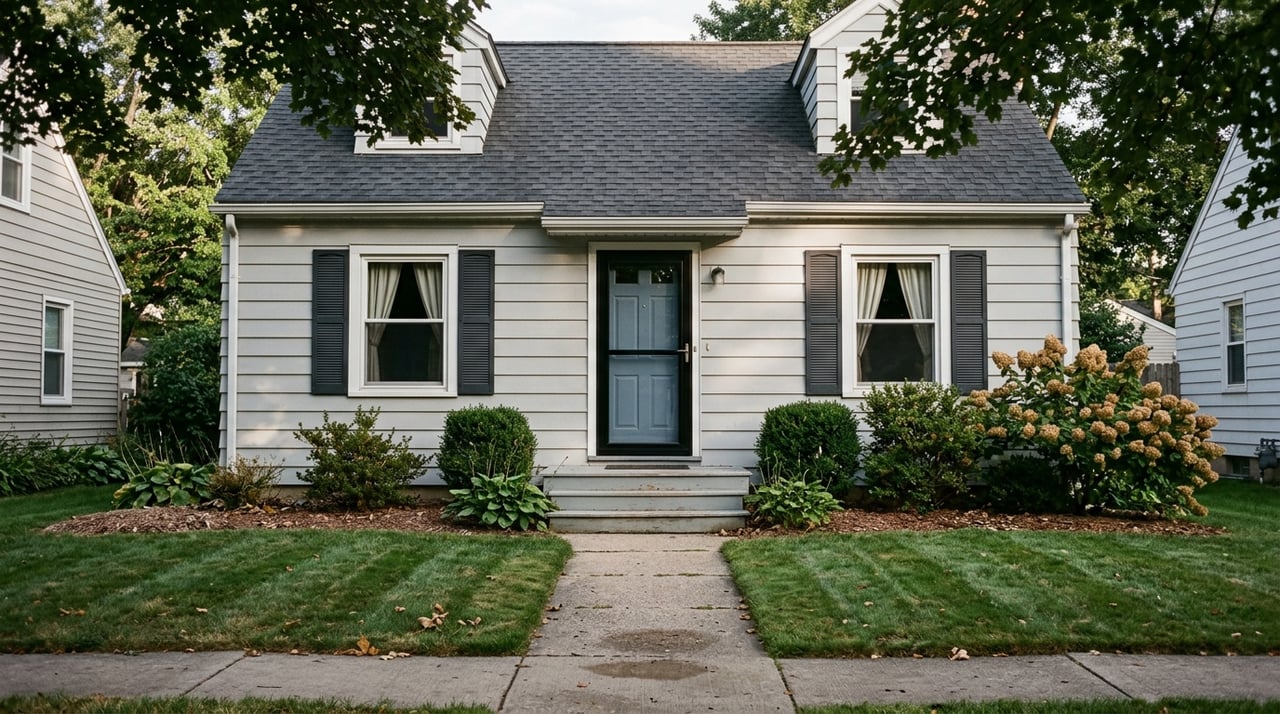
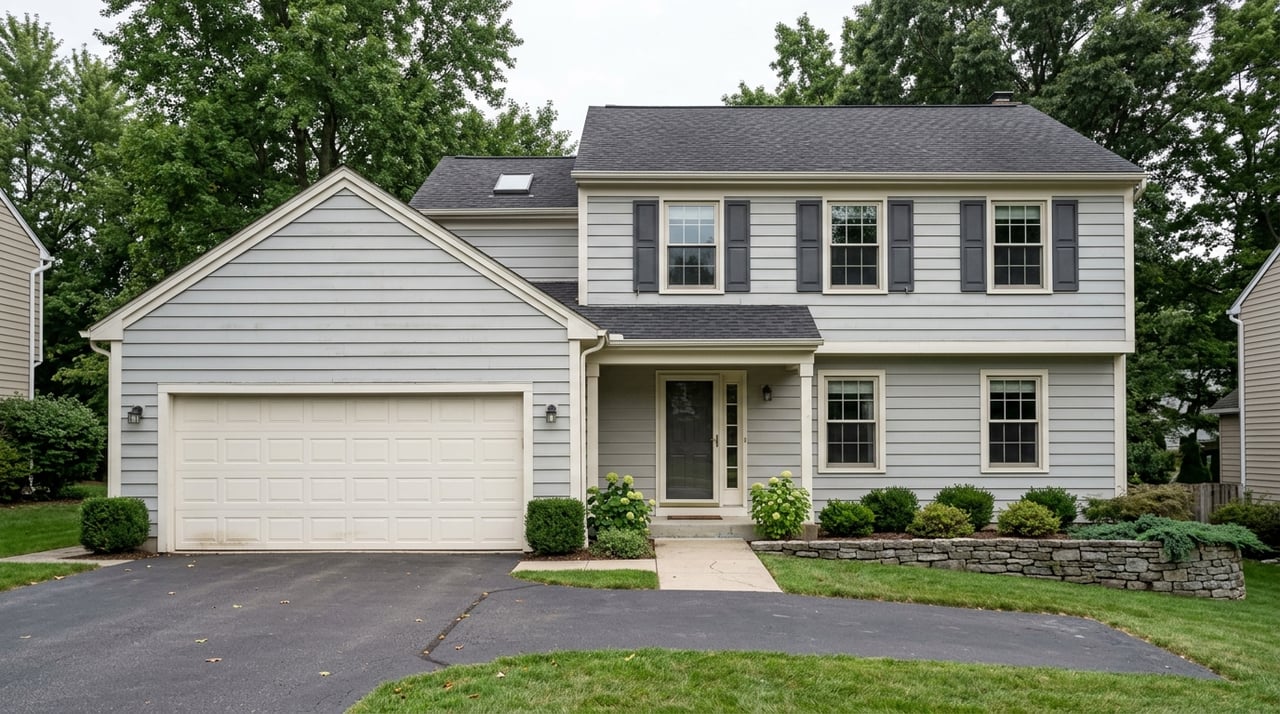
- Single-family homes: Many options cluster in the low to mid $300Ks, with price driven by lot size, updates, and garage space. Older housing stock is common, so plan for periodic upgrades as systems age.
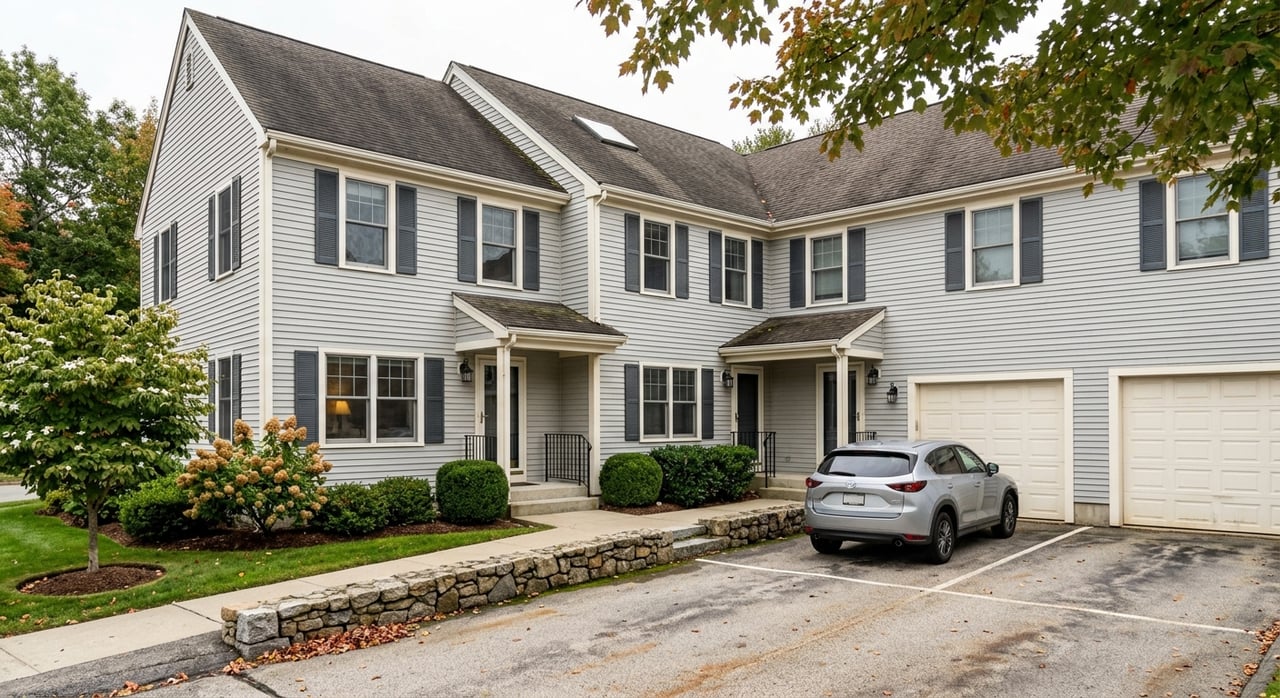
- Condos: Smaller lofts and one-bed units often fall in the roughly $140,000 to $220,000 range. Larger townhouse-style and renovated mill conversions commonly trade in the $200,000 to $320,000 range. Price depends on unit size, parking, and whether heat or water is included in HOA dues.
If you want exterior control and a yard, single-family is the straightforward path. If you prefer lower entry price and limited exterior upkeep, a condo can be a smart fit.
What your monthly really costs
Budget more than just principal and interest. Your total monthly number should include:
- Mortgage principal and interest
- Property taxes
- Insurance
- HOA dues for condos
- Ongoing maintenance and reserves for repairs
Vernon’s mill rate for FY25 is 36.09 mills. As a simple illustration, applying 36.09 mills to a $320,000 home suggests an annual tax near $11,549, though actual taxes depend on assessed value and exemptions. Always confirm with the Town Assessor.
Condo HOA dues in Vernon vary widely. A reasonable local range is about $100 to $400 per month, depending on the community and included services. Many associations cover exterior maintenance, roofing, landscaping, snow removal, trash, and common-area insurance. Some communities also include heat or water in dues. Review the specific budget and bylaws so you know exactly what is covered.
Insurance: HO-6 vs HO-3
- Condos typically use an HO-6 policy. It covers your interior finishes, personal property, and liability, and it can include loss assessment coverage for your share of a covered association claim.
- Single-family homes typically use an HO-3 policy with a higher dwelling limit because you insure the entire structure and other structures on the property.
Your premiums and coverage differ by property type, so factor this into your monthly plan and compare quotes early.
Maintenance and time trade-offs
- Condos limit your exterior responsibilities. The association handles building structure and grounds per the declaration, which can free up your weekends. The trade-off is dues, rules, and possible special assessments.
- Single-family homes give you full control and privacy. You also take on the roof, driveway, exterior paint or siding, yard care, and all major system repairs. Your costs are less predictable, so build a repair reserve.
Financing rules that can shape your choice
Single-family homes are usually straightforward to finance. Condos add a layer: lenders evaluate the project itself, not just your unit.
- Conventional loans look at project standards such as owner-occupancy ratios, reserve levels, insurance, litigation, and whether too many owners are delinquent on dues. A project that fails key checks can limit loan options and reduce the buyer pool.
- FHA loans require the condominium to be on the approved list or meet specific single-unit approval criteria. If FHA or VA financing is important to you, confirm project eligibility before you fall in love with a unit.
Ask your lender to review the condo project early. If the project is not warrantable or not eligible for certain programs, your rate and costs can change.
Resale and lifestyle in Vernon
Condos often appeal to first-time buyers, downsizers, and anyone seeking low maintenance or walkable mill conversions near Rockville. Single-family homes generally draw a broader buyer pool that values yard space and exterior control. Resale for condos is more sensitive to HOA health, rules around rentals, and project eligibility for standard financing. For single-family homes, deferred maintenance still hurts value, but you are not tied to an association’s finances or approval status.
If you expect to move within a few years, consider which product type will attract the widest qualified buyers at that time. In both cases, well-maintained properties with clear records tend to sell faster.
Quick decision guide
Choose a condo if you want:
- A lower entry price and smaller down payment target
- Limited exterior maintenance and predictable monthly dues
- A loft, garden-style, or townhouse option that fits a lock-and-leave lifestyle
Choose a single-family home if you want:
- A yard, garage, and full control of exterior updates
- Fewer HOA rules and no project-level financing risks
- Potential for additions or renovations over time
Due diligence checklists
For condos
- Request the full resale package: declaration, bylaws, current budget, financials, reserve study, insurance declarations page, rules, board meeting minutes for the last 12 months, and any special assessment or litigation disclosures.
- Ask key questions: owner-occupancy percentage, percent of owners delinquent on dues, reserve balance, recent or planned capital projects, master insurance deductible, and whether the project is eligible for your loan program.
- Confirm your loan program with your lender before relying on FHA or VA.
- Price your HO-6 policy with sufficient loss assessment coverage.
- Consider a Connecticut real estate attorney to review the declaration and resale documents.
For single-family homes
- Get a full home inspection. Pay close attention to roof, foundation, heating and cooling systems, electrical, plumbing, and drainage.
- Verify permits for additions and confirm septic or sewer details with the town as needed.
- Build a maintenance plan and reserve for big-ticket items like roof, driveway, and exterior paint or siding.
For both
- Verify the current mill rate and assessed value to estimate annual taxes.
- Get preapproved so you understand your maximum purchase price and monthly budget.
- If questions arise about association law, review the Connecticut Common Interest Ownership Act and consult your attorney.
Next steps in Vernon
If you are on the fence, compare two or three live options side by side: a condo with known dues and a single-family home with a realistic maintenance reserve and current tax estimate. Walk the neighborhoods you like, confirm your loan program, and review real association documents rather than assumptions. A clear picture of monthly cost, time commitment, and financing will make your decision easier.
Ready to compare real listings, HOA packages, and recent comps in Vernon and nearby Tolland County towns? Reach out to Cindy Muska for calm, hands-on guidance. If you are selling, you can also request Cindy’s Free Home Valuation to plan your next move with confidence.
FAQs
What do condo fees in Vernon usually cover?
- Many associations cover exterior maintenance, roofing, landscaping, snow removal, trash, and common-area insurance, with some including heat or water. Always verify the specific budget and bylaws.
How do I estimate Vernon property taxes on a purchase?
- Apply the current mill rate to the assessed value to estimate annual taxes, then divide by 12 for a monthly figure. Confirm the latest mill rate and your property’s assessment with the Town.
Can I use FHA or VA to buy a Vernon condo?
- Yes, if the condo project meets program rules. Ask your lender to check the project’s eligibility early. If not eligible, you may need different financing or to consider another unit.
What insurance do I need for a condo vs a house?
- Condos generally use an HO-6 policy for interiors, personal property, liability, and loss assessment coverage. Single-family homes typically use an HO-3 policy that insures the full structure and other structures on the lot.
What resale risks should I check in a condo community?
- Review reserves, recent or planned special assessments, litigation, insurance coverage, rental caps, and owner-occupancy levels. Weak HOA metrics can shrink the buyer pool and affect pricing.