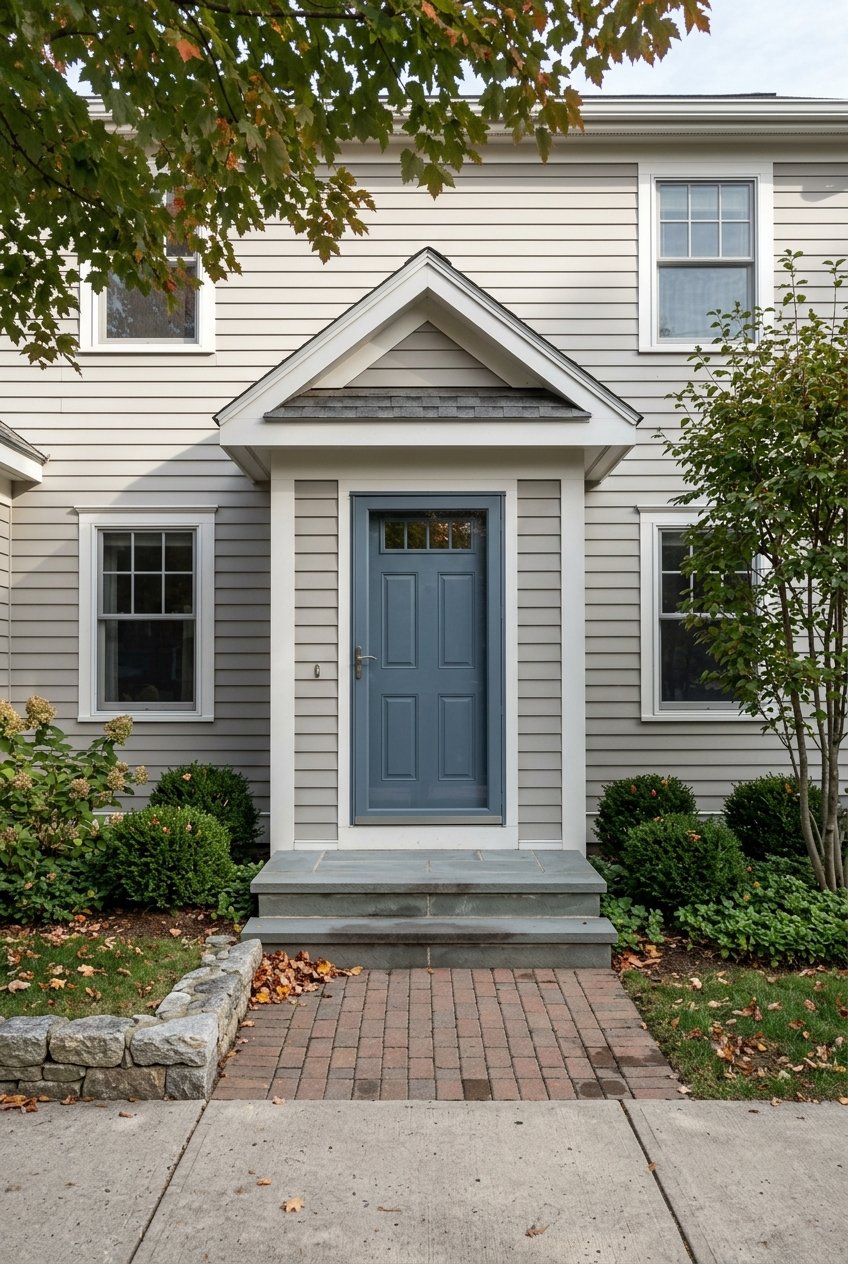
Thinking about simplifying your next move without giving up convenience? Downsizing to West Hartford can be a smart way to trade extra space and upkeep for a more manageable home, easier access to daily needs, and a strong mix of local services. If you are weighing condos, apartments, or a smaller house, this guide will help you understand what daily life in West Hartford may look like and what to consider before you make a move. Let’s dive in.
Why West Hartford Appeals to Downsizers
West Hartford offers a mix of suburban comfort and everyday convenience that many downsizers want. The town had an estimated population of 64,184 in 2024, and 19.7% of residents were age 65 and older, which points to a meaningful older-adult population already living there.
The town is also actively planning for older residents. West Hartford has launched an Age-Friendly Communities Initiative, and its Senior Housing Study is focused on understanding the housing preferences and priorities of residents age 55 and older.
That matters if you want a town that is thinking ahead about housing, mobility, and accessibility. It suggests West Hartford is not just popular with downsizers today, but is also working to better support their needs over time.
What Housing Options You Can Expect
One of the first questions in any downsizing move is simple: what kind of home will fit your next chapter best? In West Hartford, options range from lower-maintenance ownership to rental and senior-focused housing resources.
The town’s Senior Services information lists several housing types relevant to downsizers and older adults, including independent apartments, subsidized apartments, assisted living, retirement communities, and skilled nursing facilities. That variety can be helpful if you are planning for both current comfort and future flexibility.
Condos for Lower Exterior Maintenance
If your goal is to own a home but cut back on yardwork and exterior upkeep, a condo may be worth a close look. Condos can appeal to buyers who want lower-maintenance living because exterior areas and common spaces are typically shared and managed collectively.
That said, lower maintenance does not mean no maintenance. You will usually have mandatory condo or HOA fees, and you should review association rules, reserves, and the possibility of special assessments before you buy.
Smaller Single-Family Homes for More Independence
A smaller single-family home can be a better fit if you still want privacy, more control over your property, or room for hobbies, guests, or storage. You may have fewer shared rules than in a condo, but you will also likely keep more responsibility for repairs, snow removal, lawn care, and ongoing upkeep.
For some downsizers, that trade-off feels worthwhile. For others, it starts to feel like more work than they want in the years ahead.
Apartments and Senior-Oriented Resources
If ownership is not the priority, apartment living may offer the simplest path to reducing maintenance tasks. West Hartford’s local senior-services resources can also help residents explore available housing categories and think through which setup best matches their mobility, financial, and support needs.
Condo Fees vs. House Upkeep
A common concern is whether condo fees are really worth it. The answer depends on what you are trying to simplify.
With a condo, your monthly costs may include taxes, insurance, utilities, and condo or HOA fees. Those fees can help cover shared exterior maintenance and common-area expenses, but you will want to look carefully at what is included and whether the association has healthy reserves.
With a smaller house, you may avoid condo fees, but you still need to budget for repairs and routine work. That can include landscaping, exterior maintenance, heating systems, roofing, plumbing, and other surprise costs that tend to show up over time.
If you are comparing the two, it helps to think beyond the monthly number. Ask yourself whether you would rather pay a predictable fee for shared upkeep or keep full control and manage those costs as they come.
Walkable Areas in West Hartford
For many downsizers, location matters just as much as square footage. If you want easier access to shopping, dining, and services, West Hartford has several commercial areas that stand out.
The town identifies West Hartford Center and Blue Back Square, Bishops Corner, Park Road, Elmwood Center, the Home Design District, and Westfarms Mall as key shopping and dining districts. Blue Back Square is described by the town as a shopping, living, dining, and entertainment destination.
West Hartford Center and Blue Back Square
This area is often top of mind for buyers who want a more connected, on-the-go lifestyle. The town is also investing in pedestrian-oriented improvements here, including widened sidewalks, decorative lighting, signal changes, landscaping, and raised crosswalks, with the current infrastructure project expected to be completed by November 20, 2026.
If you like the idea of being close to restaurants, shops, and public spaces, this part of town may be especially appealing. Ongoing infrastructure work is also worth keeping in mind if your timing overlaps with construction.
Other Shopping and Service Areas
Bishops Corner, Park Road, and Elmwood Center can also be worth exploring depending on your priorities. If your goal is to live near errands, services, or familiar daily stops, these districts may offer useful options without requiring you to be in the center of town.
The best fit often comes down to your routine. Think about where you want to shop, how often you want to drive, and what “convenience” really means for your lifestyle.
Getting Around Without Driving Everywhere
Many downsizers want to reduce how much they drive, even if they are not giving up a car entirely. West Hartford supports that goal with a range of transportation and mobility options.
The town’s transportation resources include CT Transit, Dial-A-Ride, Independent Trans Network, CT Rides, and bike resources. Dial-A-Ride is available to residents age 60 and older and certain adults with disabilities, and it is designed to help people reach essential services.
For older adults, access to medical care is a key issue. The town notes that Dial-A-Ride gives first priority to medical and dental appointments in the Hartford hospital area, UConn Medical Center in Farmington, Bloomfield, and the Newington Veterans Clinic.
Walking and Trails
West Hartford’s planning framework puts real emphasis on pedestrian access. Its Complete Streets policy says the transportation network should be safe, accessible, comfortable, and convenient for drivers, bicyclists, pedestrians, transit riders, older residents, children, and people with mobility impairments.
The town also supports crosswalks, walking trails, bike lanes, bike racks, and complete-streets programs through its Pedestrian and Bicycle Commission. The Trout Brook Trail, a paved greenway running almost 4 miles from New Park Avenue to Asylum Avenue, adds another option for walking and recreation.
Healthcare Access in and Near West Hartford
When you downsize, healthcare access often becomes more important than ever. West Hartford does not have hospitals within town limits, but it is close to major care providers.
According to the town, Saint Francis Hospital, Hartford Hospital, and UConn Health are located nearby in Hartford and Farmington. West Hartford also has local primary-care and specialty-care offices operated by Hartford HealthCare and Trinity Health of New England, including locations on South Main Street, North Main Street, and Memorial Road.
That setup can be a good middle ground for many buyers. You may be able to handle routine care in town while still having relatively close access to major hospital systems when needed.
Senior Services and Local Support
West Hartford offers more than housing choices. It also has practical support systems that can make downsizing or aging in place easier to manage.
The town operates two senior centers that offer hundreds of activities, social services, preventative health services, lectures, trips, and special events. Membership is free for residents age 55 and older.
The town’s case-management program can also help residents over 60 and people with disabilities assess housing, mobility, transportation, family support, and financial resources. If you are not sure whether you should move, modify your current home, or choose a different housing type, that kind of support can be valuable.
If You Want to Stay in a House
Downsizing does not always mean leaving single-family living behind. Sometimes it means adapting a current or future home so it works better for you.
West Hartford’s Housing Rehabilitation Program offers financial and technical assistance for eligible homeowners to reduce lead hazards, correct housing-code violations, and remove accessibility barriers. Program examples include roof replacement, heating systems, water heaters, electrical panels, plumbing, ramps, asbestos removal, and window replacement.
The town also has an Elderly Assistance Program for eligible owners age 65 and older that can help replace a failed system or install a handicapped accommodation. If you want fewer stairs, safer access, or less deferred maintenance, these local programs may be worth exploring.
Lifestyle Beyond the House
A successful downsize is not just about having less space. It is about choosing a place where your day-to-day life still feels full and manageable.
West Hartford offers three public libraries, the Noah Webster Museum and West Hartford Historical Society, the West Hartford Art League, the Children’s Museum, and the Hartford Art School among its museums and galleries. The town also has five major neighborhood parks, Westmoor Park’s trail system, and other town-maintained walking trails and recreation spaces.
If you want a smaller home without giving up activities, green space, or places to meet people, West Hartford checks many of those boxes. That balance is one reason it stands out for many downsizers in the Hartford area.
What to Think About Before You Move
Before choosing a home in West Hartford, focus on how you want to live, not just what you want to spend. A lower-maintenance move works best when your home, location, and daily routines all line up.
A few smart questions to ask yourself include:
- Do you want to own, or would renting make life simpler?
- Are condo fees worth it if they reduce exterior chores?
- How close do you want to be to shopping, dining, and appointments?
- Would you rather walk more, drive less, or keep easy parking?
- Do you want a home that fits your needs now, or one that may work better long term?
If you answer those questions first, your options usually become much clearer. That can make the downsizing process feel less overwhelming and more strategic.
If you are considering a move to West Hartford and want calm, practical guidance on choosing the right fit, Cindy Muska can help you weigh your options and move forward with confidence.
FAQs
What types of homes can downsizers consider in West Hartford, CT?
- West Hartford offers options that may appeal to downsizers, including condos, smaller single-family homes, independent apartments, subsidized apartments, assisted living, retirement communities, and skilled nursing facilities.
What parts of West Hartford, CT may feel most convenient for downsizers?
- West Hartford Center and Blue Back Square are key areas for shopping, dining, and entertainment, while Bishops Corner, Park Road, and Elmwood Center may also be useful to explore depending on the kind of convenience you want in daily life.
What should buyers know about condo fees in West Hartford, CT?
- Condo owners typically pay mandatory condo or HOA fees and should review what those fees cover, along with association rules, reserves, and the possibility of special assessments before buying.
How easy is healthcare access from West Hartford, CT?
- West Hartford has local primary-care and specialty-care offices, and nearby hospitals include Saint Francis Hospital, Hartford Hospital, and UConn Health in Hartford and Farmington.
What transportation help is available for older adults in West Hartford, CT?
- West Hartford lists CT Transit, Dial-A-Ride, Independent Trans Network, CT Rides, and bike resources, and Dial-A-Ride is available to residents age 60 and older and certain adults with disabilities for essential services.
Are there local resources for home modifications in West Hartford, CT?
- Yes. West Hartford’s Housing Rehabilitation Program and Elderly Assistance Program may help eligible homeowners address repairs, accessibility barriers, failed systems, or handicapped accommodations.