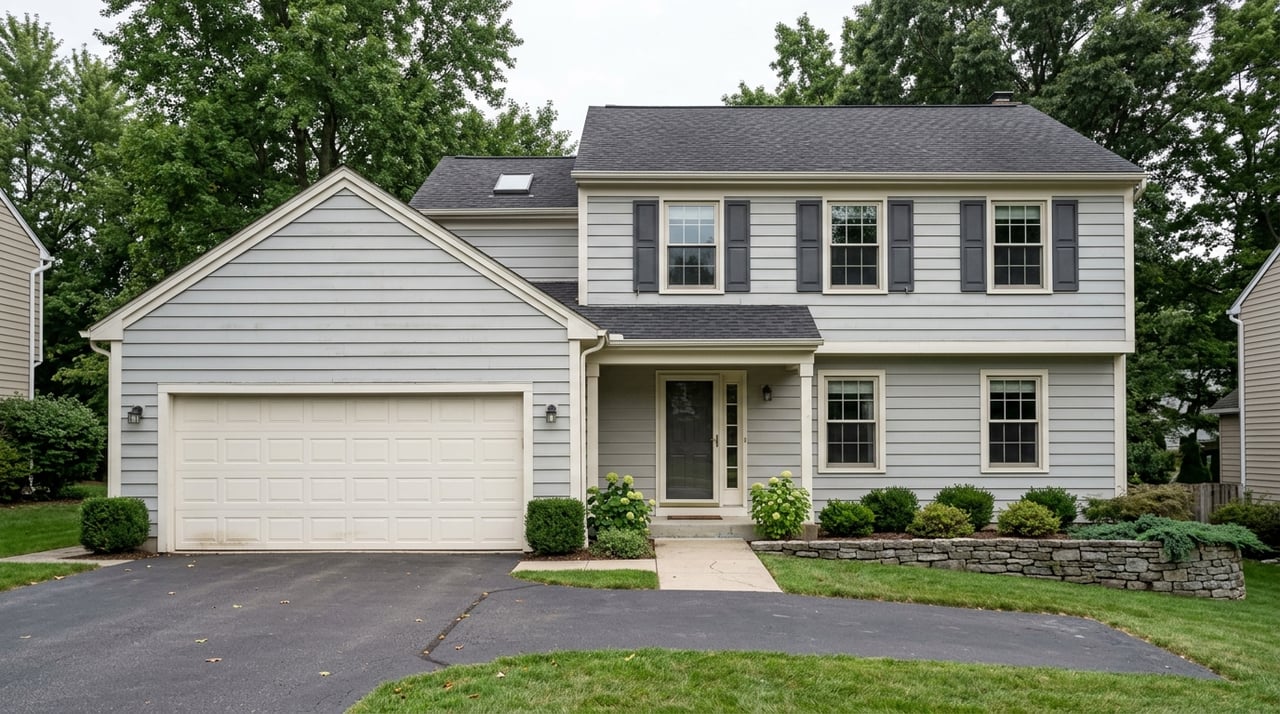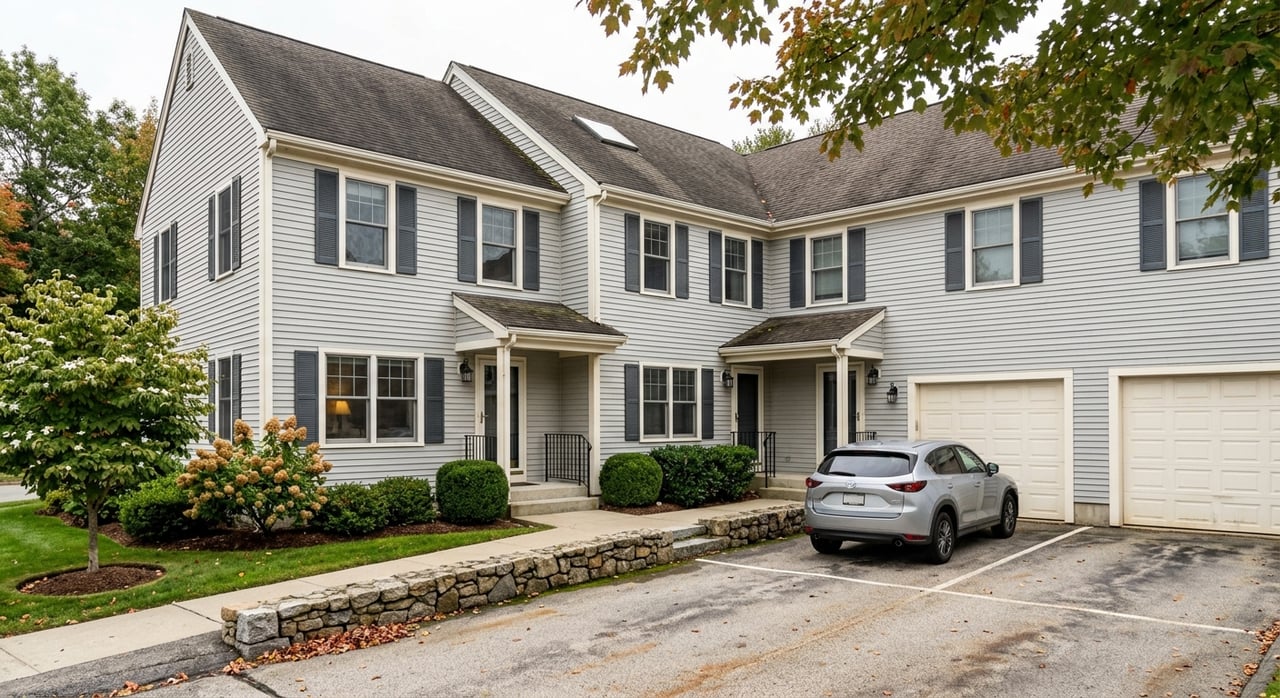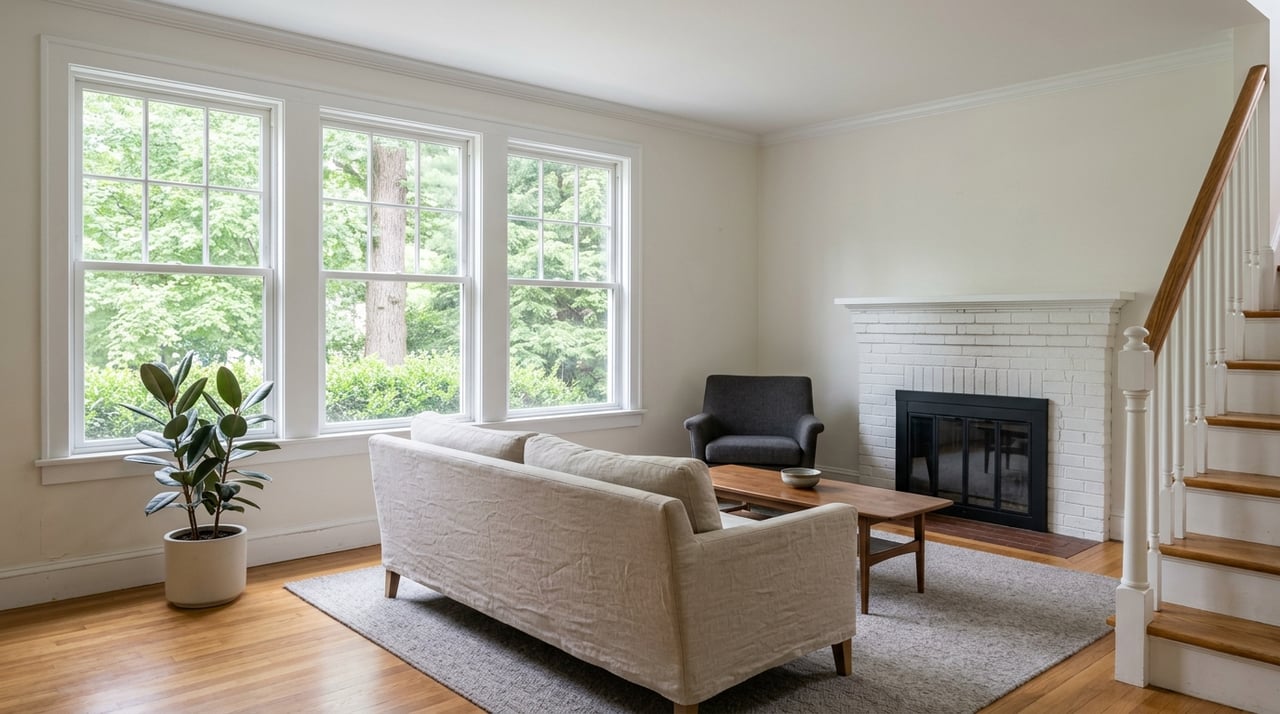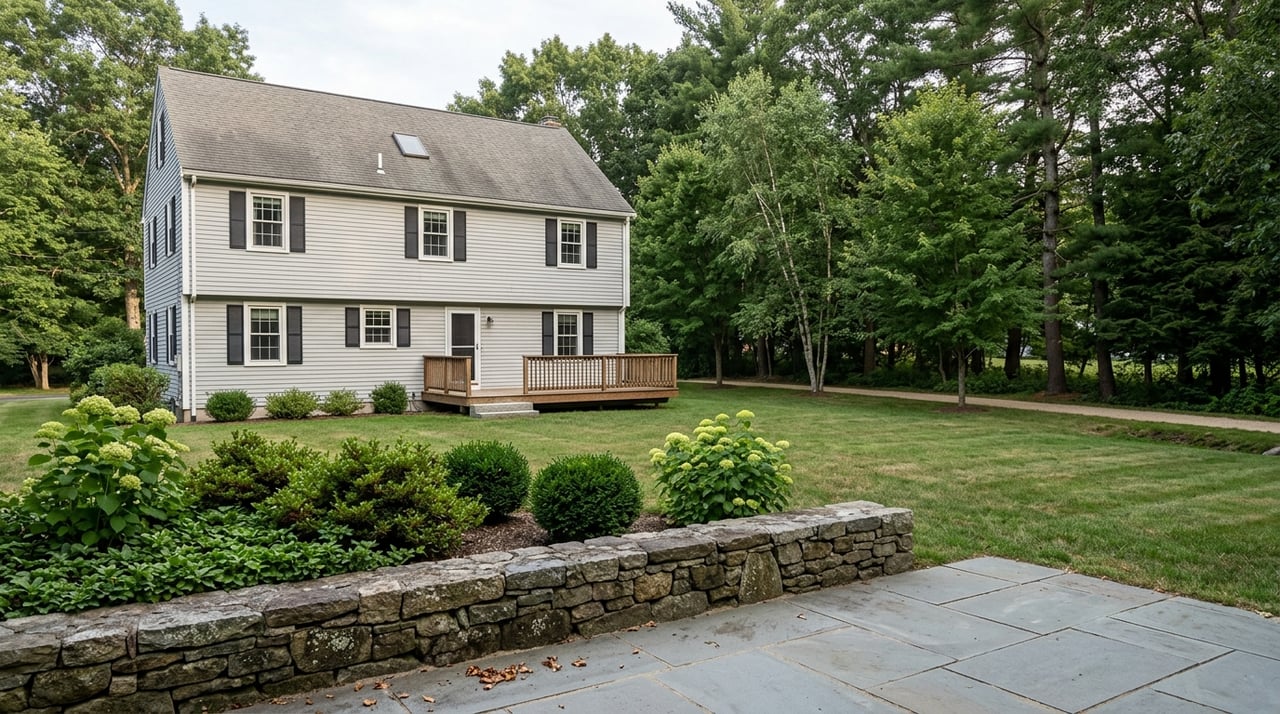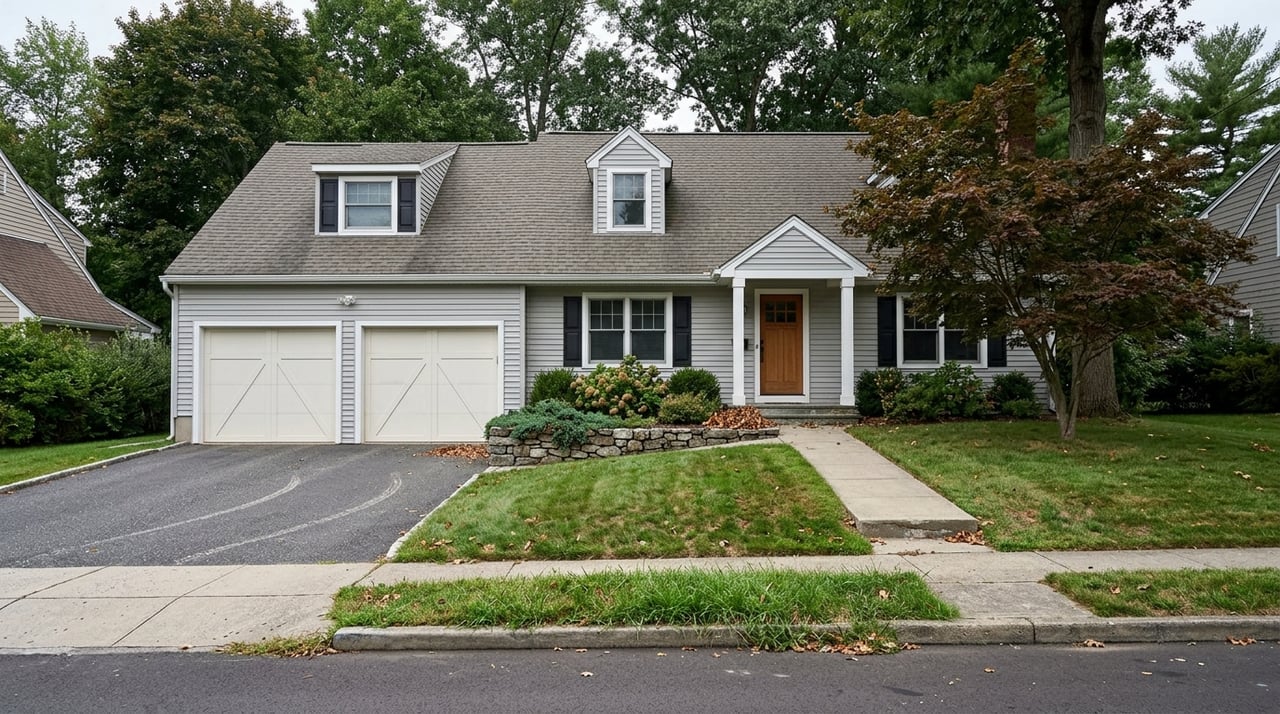
Trying to decide between a newer area and an established street in South Windsor? You are not alone. This town offers a real mix of housing styles, ages, and settings, so the right choice often comes down to how you want to live day to day and what costs or upkeep you are comfortable with. In this guide, you will learn how South Windsor’s housing pattern, lot standards, commuting routes, and ownership costs can shape your decision. Let’s dive in.
Why this choice matters in South Windsor
South Windsor is not a one-style housing market. Town planning materials show a mix of older postwar neighborhoods, later suburban growth, and newer corridor-oriented development. That variety is a big reason buyers here often need to compare lifestyle tradeoffs, not just price tags.
The town’s housing profile also shows how established South Windsor is overall. About 37% of housing units were built before 1970, and most occupied homes are single-family. More recent Census QuickFacts cited in town planning materials show an 84.9% owner-occupied rate and a median owner-occupied home value of $375,100.
Route access matters here more than many buyers expect. Town planning materials note that more than 17% of residents commute to Hartford, while only 10% work in South Windsor. That helps explain why proximity to major roads and daily conveniences can be a major factor when choosing where to buy.
What newer areas often offer
In South Windsor, newer-growth locations are often tied to major corridors and convenience. The Buckland and I-291 Gateway areas are active growth corridors, and Evergreen Walk continues to add mixed-use phases that include apartments, offices, services, and restaurants. For some buyers, that means less time spent driving for errands and easier access to commuter routes.
South Windsor is described by the town as easily accessible to I-91, I-84, I-291, and I-384. CTDOT also lists a park-and-ride at Route 30 at I-291 Exit 4. If your routine includes commuting or frequent trips around the Hartford area, newer locations near these routes may feel especially practical.
Shopping convenience is another draw. The Shops at Evergreen Walk offer more than 65 national and specialty retailers and restaurants. If you like having dining, services, and shopping close by, a newer area may fit your lifestyle well.
There can be tradeoffs, though. Homes closer to commercial activity and commuter routes may feel more traffic-oriented and less private than interior neighborhood streets. That does not make them better or worse, but it does mean you should think carefully about how much convenience versus separation you want.
Newer lot layouts can feel different
South Windsor’s zoning regulations help explain why one newer area may feel very different from another. Residential lot standards vary widely by zone, with minimum lot sizes ranging from 20,000 square feet in A-20 zones to 40,000 square feet in RR and A-40 zones. That means you should not assume every newer home comes with the same yard size or spacing.
On Buckland Road and Sullivan Avenue, lots must be at least 150 feet wide and have a 50-foot front-yard setback. Corridor-adjacent homes can therefore feel different from homes tucked into interior neighborhood streets. The street pattern, setbacks, and nearby uses all shape how private or connected an area feels.
Open space may replace larger private yards
In larger subdivisions, South Windsor requires preserved open space. Conventional subdivisions of six or more lots must preserve 20% of the tract as open space, while open-space subdivisions must preserve 50%. In practical terms, a newer neighborhood may offer buffers, shared green space, or preserved land instead of giving each home a larger private yard.
That can be a plus if you value a planned layout and less individual yard maintenance. It can be a drawback if your top priority is maximizing your own private outdoor space. The key is to look beyond the listing photos and ask how the land around the home is actually arranged and maintained.
HOA and condo costs need a close look
If you are considering a condo or a home in an HOA community, be careful not to treat monthly dues as a minor side note. They are a separate recurring housing expense. In some communities, those charges can significantly affect your monthly budget.
Connecticut’s Department of Consumer Protection says condo buyers should review the declaration, bylaws, rules and regulations, resale documents, monthly common charges, reserve balances, delinquency counts, and planned capital spending before buying. This step is especially important if you are comparing a newer community against an older single-family home with no association fees.
What established streets often offer
Established streets in South Windsor usually appeal to buyers who want a more settled neighborhood feel. Because much of the town’s residential pattern was set during earlier decades of suburban growth, these areas may offer mature landscaping, a more traditional street layout, and housing that reflects different eras of development.
But age brings questions you should take seriously. The town’s housing profile warns that older homes are more prone to disrepair and can carry lead-paint risk. That does not mean older homes are a bad choice. It means the smart approach is to verify condition carefully instead of making assumptions.
Older homes need system-by-system review
When you compare homes on established streets, focus on the basics first. Pay close attention to roof age, windows, insulation, heating and cooling systems, drainage, driveway condition, and whether major updates have already been completed. One well-maintained older home can be a stronger value than a newer home with higher monthly ownership costs.
This is where details matter more than general impressions. Two homes built around the same time can have very different maintenance histories. A calm, fact-based review will usually tell you more than curb appeal alone.
Do not assume lot size or features
It is easy to think established streets always mean larger lots or a certain layout. In South Windsor, that is not something you should assume. Lot characteristics can vary a lot from one property to the next.
The town’s Real Estate Property Record Search can help confirm year built, lot details, and assessment information. That makes it easier to compare homes on real facts rather than memory, marketing language, or neighborhood stereotypes.
Compare total monthly cost, not just price
A smart South Windsor decision usually comes down to total monthly cost. Purchase price matters, but so do property taxes, association dues if any, and likely maintenance needs based on the home’s age and condition.
South Windsor’s FY2025/2026 real estate and personal property mill rate is 35.61. That means buyers should compare the tax impact of one home against another instead of focusing only on sale price. A lower-priced home with higher taxes, higher dues, or more immediate repair needs may not be the cheaper option month to month.
Here is a simple way to compare two properties:
- Estimated mortgage payment
- Property taxes based on current assessment and mill rate
- HOA or condo dues, if applicable
- Near-term repair or update costs
- Ongoing maintenance expectations
- Commute-related costs in time and fuel
When you look at homes this way, the decision often becomes clearer.
Questions to ask before you choose
If you are touring both newer and established areas in South Windsor, keep your questions practical and specific. The goal is to compare how each home fits your real budget and routine.
Ask these questions as you narrow your options:
- How old is the home, and what major systems have been updated?
- Is the property in an HOA or condo association?
- What are the dues, rules, reserve levels, and planned capital projects?
- How big is the lot, and what zoning or frontage rules apply?
- How close is the home to Evergreen Walk, Route 30, I-291, and other commuter routes?
- Does the neighborhood include preserved open space or buffers?
- Who is responsible for maintaining any shared land or common areas?
These questions help you move past broad labels like “newer” or “established” and focus on what your day-to-day ownership experience will actually be.
How to choose the better fit
If you value proximity, access to shopping and services, and a more recently planned setting, a newer South Windsor area may fit you best. These locations can work especially well if convenience and commuter access are high on your list.
If you prefer a more settled feel and do not mind doing deeper homework on condition and updates, an established street may be the stronger match. You may find the right combination of layout, setting, and long-term value there, but only if you review the home carefully.
In South Windsor, this choice is rarely about which type of area is universally better. It is about which tradeoffs fit your budget, maintenance comfort level, and daily routine. A clear side-by-side review of costs, condition, lot setup, and route access will usually lead you to the right answer.
If you want help comparing specific homes or neighborhoods in South Windsor, Cindy Muska can help you sort through the details and make a confident decision.
FAQs
How do newer areas in South Windsor usually differ from established streets?
- Newer areas often emphasize convenience, commuter access, and planned open space, while established streets often offer a more settled feel and may require closer review of home condition and updates.
What should buyers check in older South Windsor homes?
- Buyers should closely review major systems and maintenance items such as the roof, windows, insulation, heating and cooling, drainage, driveway condition, and any past updates, while also being aware that older homes can carry lead-paint risk.
Do newer South Windsor neighborhoods always have bigger lots?
- No. South Windsor zoning includes a range of minimum lot sizes, so lot dimensions can vary widely depending on the zone and street.
Why do commuting routes matter when buying in South Windsor?
- Town planning materials show that many residents commute outside town, especially toward Hartford, so access to routes like I-291, I-91, I-84, I-384, and Route 30 can affect daily convenience.
What HOA details should condo buyers review in South Windsor?
- Buyers should review monthly common charges, rules and regulations, reserve balances, delinquency counts, planned capital spending, and the association’s governing documents before buying.
How should buyers compare home costs in South Windsor neighborhoods?
- Buyers should compare the full monthly picture, including mortgage payment, property taxes, HOA dues if any, and expected maintenance or repair costs, not just the purchase price alone.